
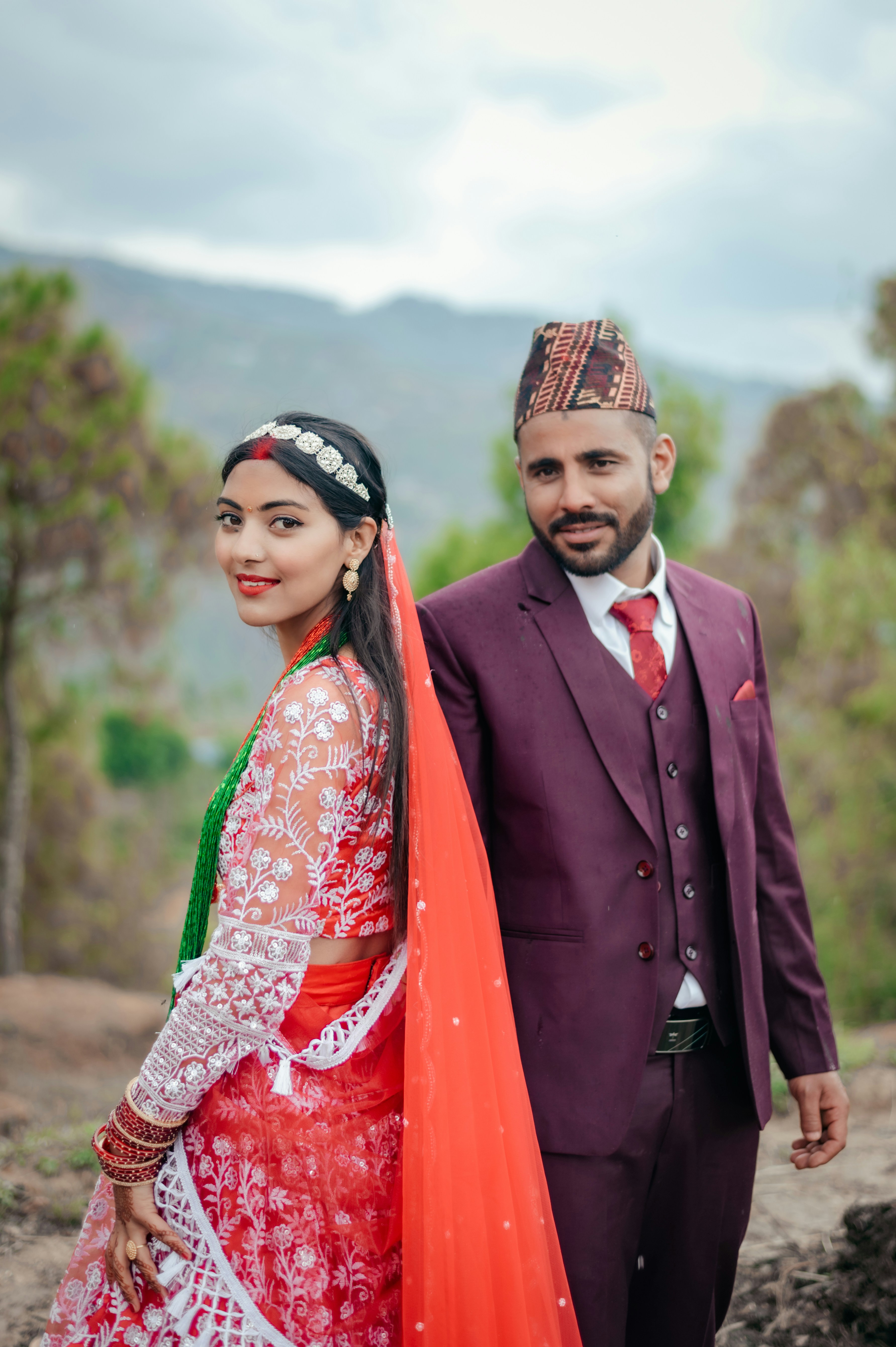
Understanding Cultural Norms and Values
Understanding the cultural norms and values of conservative countries is paramount for anyone seeking to navigate these societies respectfully and effectively. Cultural norms embody the collective beliefs and practices that define a society, impacting various facets of life, including guidelines around attire. In conservative nations, the importance placed on modesty often transcends mere personal preference; it is deeply woven into the societal fabric and reflects historical, religious, and social influences.
Dress codes are particularly significant in conservative cultures where attire serves as a visual representation of one’s respect for local customs. For instance, wearing revealing clothing can be perceived as disrespectful, and it may lead to negative judgments from the local populace. Consequently, individuals must be acutely aware of the varying standards of conservatism across different regions. In some countries, women may be expected to cover their arms and legs, while men might be required to avoid shorts in formal settings, highlighting the diversity of expectations.
The potential consequences of neglecting cultural norms regarding dress can be severe, ranging from social ostracism to legal repercussions. Understanding and adhering to local dress codes is not simply a matter of aesthetics; it is a fundamental way of showcasing respect for the host culture. Such cognizance can foster goodwill and acceptance within the community, paving the way for more productive interactions. Furthermore, it is essential to note that interpretations of conservatism can fluctuate even within the same country, influenced by factors such as region, urban versus rural settings, and the presence of expatriate communities.
Researching Local Dress Codes
When preparing to travel to conservative countries, one of the most crucial steps is researching the local dress codes. Understanding the appropriate attire can help travelers show respect for cultural norms and avoid unintentionally offending local customs. To begin with, reliable sources can be found in travel guides, reputable blogs, and online forums where travelers share their own experiences. These platforms often provide valuable insights into what is considered respectful dress in different regions.
In addition, engaging with locals can provide first-hand knowledge of the dress expectations specific to a community. This could involve reaching out to residents through social media channels or asking for advice when arriving at your destination. Many countries have varying dress codes depending on context; for instance, attire suitable for a city setting may differ significantly from what is expected in rural areas or places of worship. Observing local dress can provide further guidance, as you will get a clearer idea of acceptable norms.
Some countries, such as Saudi Arabia and Afghanistan, maintain very strict dress codes; women may be required to wear a full-length abaya, while men often don traditional clothing. Other countries, like Iran, expect women to cover their hair and wear loose-fitting clothes. By researching these norms, travelers can better prepare their wardrobes in accordance with local expectations. This attentiveness to dress codes not only helps in gaining acceptance but also enhances the overall travel experience by fostering positive interactions with local communities. Therefore, a well-informed approach to understanding local dress traditions is essential for respectful and enjoyable travel in conservative regions.
Wardrobe Essentials for Conservative Travel
When traveling to conservative countries, selecting the appropriate wardrobe is paramount to ensure respect for local customs and traditions. Emphasizing modesty is essential, with particular attention paid to the length of skirts and shorts, neckline coverage, and the overall fit of clothing. Loose-fitting garments are generally more acceptable, promoting comfort while maintaining a respectful appearance.
For women, floor-length skirts or dresses are excellent options, as they provide ample coverage while allowing for airflow. Long-sleeved blouses made from breathable fabrics, such as cotton or linen, can be paired with these garments to uphold modesty without sacrificing style. Meanwhile, men can opt for lightweight trousers paired with collared shirts or polo shirts. Shirts should ideally cover the arms to avoid drawing attention. Neutral colors or soft pastels work well in these scenarios, as they tend to blend in better with conservative environments compared to vivid patterns.
Accessories can contribute significantly to a polished look while adhering to conservative dress codes. Scarves, for instance, serve a dual purpose: they can add a layer of warmth when necessary while also providing additional coverage should the need arise. Additionally, sunglasses, hats, and minimalistic jewelry can enhance outfits without overdoing it. Choosing the right fabric is also critical in this context. Lightweight, breathable materials are preferred for sunny climates, while warmer layers made from thicker fabrics may be more suitable in cooler regions.
Paying attention to cultural events is crucial as well. Understanding appropriate attire for formal settings, such as religious sites or local celebrations, can further demonstrate respect towards the customs of the country. Ultimately, packing thoughtfully with an awareness of local dress codes will facilitate a more respectful and enjoyable travel experience.
Tips for Navigating Dress Code Situations
Navigating dress codes in conservative countries can seem daunting, yet understanding the cultural context can greatly ease this concern. One key aspect is attire when visiting religious sites. It is essential to remain respectful and modest; women should consider wearing long skirts or dresses, while men may opt for trousers and shirts with sleeves. A headscarf can enhance modesty for women, which is often required in places of worship.
Social events present another important scenario. When attending gatherings, it is advisable to be aware of the local customs regarding formal versus casual wear. For most occasions, erring on the side of formality is prudent. Women might choose elegant long dresses, while men should consider suits or smart casual wear. Understanding the dress culture can often invite deeper connections and respect from local attendees.
Dining experiences in conservative environments also warrant special consideration. In many cases, conservative attire is expected in upscale restaurants or during family gatherings. Dressing appropriately reflects not only respect for the hosts but also enhances one’s experience in engaging with the local culture. If you’re in doubt, a conservative outfit that includes long sleeves and avoids skin-tight clothing is recommended.
Wardrobe malfunctions can occur unexpectedly, so being prepared is crucial. Carrying a shawl or scarf can facilitate quick adjustments for unforeseen clothing issues or provide coverage in conservative environments. The adaptability in changing circumstances is vital; understanding when and how to adjust your attire can demonstrate cultural sensitivity.
Overall, thinking critically about dress choices while being adaptable based on your environment is key to navigating dress codes effectively in conservative countries. This conscious effort contributes significantly to fostering respect and building connections in culturally rich settings.
