
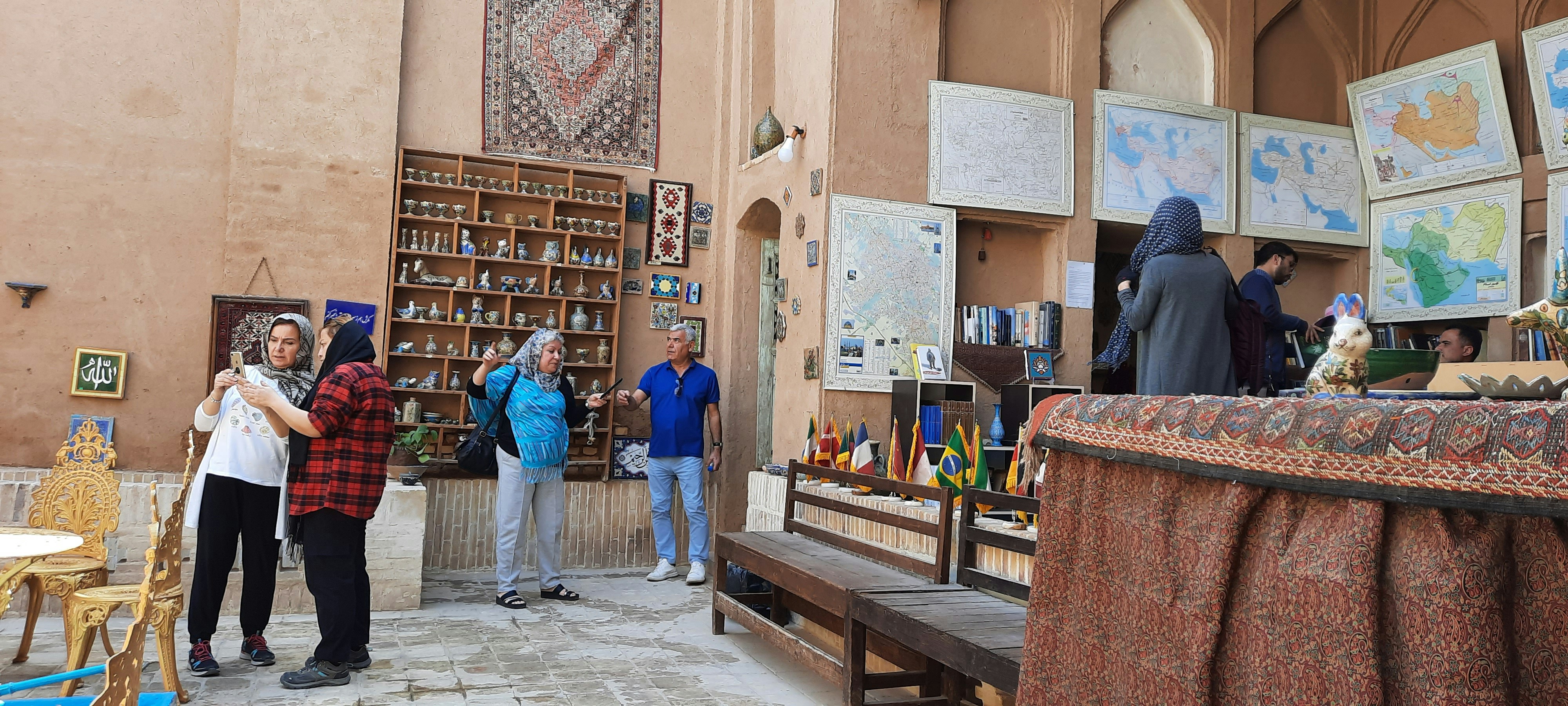
Introduction to Cultural Immersion
Cultural immersion refers to the profound and often transformative experience of engaging with a culture on a deeper level than typical sightseeing allows. This unique approach goes beyond simply visiting a destination; it allows participants to live and interact daily with local customs, traditions, and people. In contrast to the usual tourist activities that focus on landmarks and attractions, cultural immersion fosters genuine connections and understanding among individuals from diverse backgrounds.
The significance of cultural immersion lies in its ability to promote empathy and appreciation for the nuances of different ways of life. By taking part in meaningful interactions with the local community, individuals can gain insights into the values, beliefs, and practices that shape a culture. This immersive experience is invaluable, as it cultivates respect and breaks down preconceived notions often held by outsiders. Instead of viewing a culture as an exotic spectacle, participants learn to see it as a living, breathing entity rich with its own history and complexities.
Such engagement often entails activities that encourage participants to learn the language, cook traditional meals, or take part in local festivals. By engaging with local artisans or volunteering alongside residents, individuals can develop a sense of belonging and purpose, enhancing their experience. This authentic approach to travel fosters sustainable tourism practices, allowing travelers to contribute positively to the communities they engage with.
In essence, cultural immersion enriches one’s travel narrative and fosters lifelong connections that extend beyond the journey, creating memories rooted in authentic experiences rather than mere observation. It paves the way for a more conscientious and enriched understanding of the world we inhabit, encouraging travelers to view cultures not only as destinations but as communities deserving of respect and understanding.
Top Non-Touristy Cultural Immersion Programs
Various cultural immersion programs across the globe offer authentic experiences that allow participants to delve into the local culture away from the typical tourist hotspots. Here are some noteworthy programs that stand out:
1. The Peace Corps in Costa Rica – For those looking to make a lasting impact, the Peace Corps offers a chance to work closely with local communities. Participants engage in agriculture, education, or environmental conservation, often living with host families. This program not only facilitates cultural exchange but also promotes sustainability and community development, providing a deep understanding of Costa Rican culture.
2. Ban Pha Lat Homestay in Thailand – Nestled in the hills of Chiang Mai, this homestay program allows visitors to experience authentic Thai village life. Participants can engage in daily activities like rice farming, cooking traditional Thai meals, and participating in Buddhist ceremonies. The serene environment fosters genuine interactions with locals, making it a unique cultural experience.
3. La Casita de la Cultura in Peru – This program focuses on the rich cultural tapestry of Peruvian life. Participants work on community art projects in Cusco, engaging with local artists and historians. Workshops include traditional textile making, pottery, and cooking classes, providing insights into Incan history and customs.
4. Language & Cultural Immersion in Oaxaca, Mexico – Organized by various local schools, these immersion programs combine language learning with cultural experiences. Students participate in cooking classes, dance workshops, and local festivities, allowing them to experience authentic Mexican traditions firsthand.
These programs offer transformative experiences, allowing travelers to connect meaningfully with local cultures, giving them perspectives that traditional tourism often overlooks. By participating in such immersive experiences, individuals not only enrich their own lives but also contribute positively to the communities they engage with.
How to Choose the Right Program for You
Selecting an appropriate cultural immersion program involves careful consideration of various factors that align with your personal interests and goals. First and foremost, evaluate the duration of the program. Programs can range from a few weeks to several months; choosing the right length is essential to ensure adequate time to engage with the local culture. A longer duration may allow for deeper connection, while shorter programs might fit better within your schedule and budget.
The type of cultural experience is another critical aspect to consider. Are you interested in language acquisition, culinary experiences, or perhaps traditional arts? Researching the specific activities included in each program can help you find one that resonates with your passion areas, enhancing the overall enrichment of your experience.
Budget considerations also play a significant role in the selection process. Cultural immersion programs can vary widely in cost depending on factors such as location, inclusivity of accommodations, meals, and activities. It is wise to set a budget beforehand and explore programs that offer a good balance between affordability and quality. This can be facilitated through online reviews and testimonials from past participants.
Lastly, assess the level of engagement with the local community that each program provides. Programs that facilitate meaningful interactions can foster a deeper understanding of the culture, enhancing your immersion experience. Look for opportunities to spend time with local families, participate in community events, or volunteer, as these activities often lead to authentic learning experiences.
In conclusion, choosing the right cultural immersion program requires thoughtful consideration of duration, type of experience, budget, and community engagement. By reflecting on these factors, you can find a program that aligns with your personal journey of discovery and authenticity.
Testimonials and Success Stories
The transformative power of cultural immersion programs is best illustrated through the authentic stories of those who have participated in them. Many individuals have shared their experiences, shedding light on how these programs can profoundly affect one’s personal growth and understanding of differing cultures. For instance, Laura, a participant in a homestay program in Mexico, recounted her initial apprehensions about living with a local family. However, her fears were soon eclipsed by the warmth and hospitality she encountered. She noted that sharing daily meals and participating in family traditions allowed her to connect on a deeper level, leading to lifelong friendships and an appreciation for Mexican culture that merely visiting as a tourist could never provide.
Another compelling narrative comes from Amir, who participated in a community service program in India. He spoke about how working alongside local artisans expanded his outlook on traditional crafts and environmental sustainability. Amir emphasized that immersing himself within the community, instead of merely observing from the sidelines, led to genuine engagement and a nuanced understanding of local challenges and triumphs. He left with a renewed passion for social responsibility and a commitment to incorporate what he learned into his own life.
These narratives underscore a common thread: by stepping outside the boundaries of conventional tourism, participants often return home with not only souvenirs, but also invaluable lessons and memories that shape their worldviews. The experiences shared reflect a deep-seated realization that cultural immersion programs can catalyze change, foster empathy, and cultivate connections that transcend geographical boundaries. As has been illustrated in these testimonials, the journey towards embracing authenticity can yield profound personal insights, encouraging others to embark on their own cultural explorations.

10 thoughts on “Discovering Authenticity: The Best Cultural Immersion Programs That Aren’t Touristy”
Comments are closed.