
Introduction to Unique Wedding Traditions
Weddings serve as a profound celebration of love and commitment, and they often manifest unique traditions that reflect the cultural values and historical contexts of different societies. Across the globe, each community or country offers an array of practices that set their wedding ceremonies apart, showcasing a rich tapestry of rituals that have evolved over time. Understanding these unique wedding traditions is key to appreciating the diversity of human experiences surrounding marriage.
The significance of cultural heritage is paramount in shaping wedding customs. In many cultures, these traditions convey deep meanings and symbolize various aspects of life, such as fertility, prosperity, and unity. For instance, in some African cultures, the night before the wedding may be marked with vibrant songs and dances that celebrate the bride’s transition into womanhood. Similarly, in Indian weddings, intricate rituals like the tying of the sacred knot, known as ‘saat phere,’ emphasize the spiritual bond created between partners.
Engaging in unique wedding traditions allows couples to honor their ancestry and preserve their cultural identities while also adding distinct characteristics to their ceremonies. Some traditions may involve symbolic acts, such as breaking bread or exchanging handmade tokens, representing the couple’s commitment to share their lives. By integrating these unique customs into their nuptials, couples are not merely celebrating their union; they are also linking past and present, protecting their heritage for future generations.
This exploration of unique wedding traditions across various societies illustrates how love manifests differently around the world. As we delve deeper into specific customs, we will uncover the captivating stories and meanings behind each practice, illuminating the beauty and depth of marriage traditions globally.
Unconventional Wedding Ceremonies
Across the globe, numerous cultures celebrate weddings through unconventional ceremonies that uniquely reflect their values and traditions. One notable example is the African American custom of “Jumping the Broom.” This ritual symbolizes the couple’s leap into a new life together. Traditionally performed at the end of the marriage ceremony, it represents the sweeping away of past troubles and the start of a new chapter. The act of jumping together signifies unity and the commitment to face challenges as partners.
Another fascinating custom is the “Shoe Toss” from Greece, which takes place during the wedding reception. Guests engage in playful competition as they toss shoes towards the bride. The symbolic nature of this tradition resides in the beliefs that the more shoes the bride catches, the more good luck she will experience in her marriage. The event fosters joy and camaraderie among guests, enhancing the celebratory atmosphere of the occasion.
In Mongolia, the wedding ceremony is enriched by unique practices involving horse-mounted rituals. The “Mongolian Wedding Tradition” often features horseback riding as a vital element of the nuptials. The couple typically dons traditional garments and participate in a horse racing event that highlights equestrian skills. This tradition symbolizes strength, agility, and the couple’s readiness to embark on a journey together, often reflecting the importance of horses in Mongolian culture. These rituals are more than mere ceremonies but serve to reinforce cultural identity and heritage.
The diversity of these unconventional wedding ceremonies showcases the vast array of practices that exist worldwide. Such traditions not only highlight the uniqueness of each culture, but they also embody deeply held values and beliefs that enrich the wedding experience for couples and their communities alike.
Unique Wedding Attire and Symbols
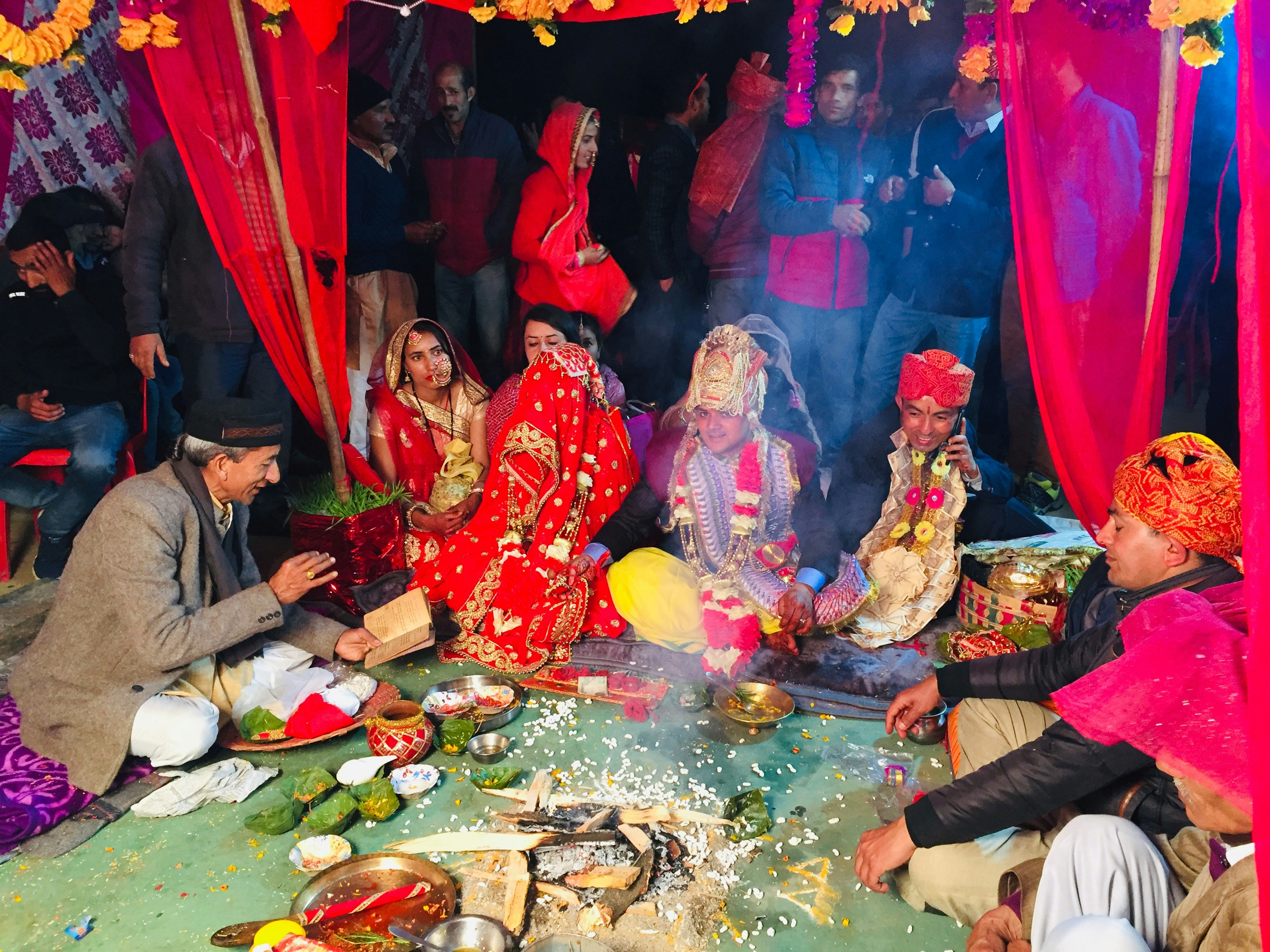
Various cultures around the world showcase distinct wedding attire and symbols that enrich their wedding ceremonies. One of the most celebrated examples is in Indian weddings, where brides often don brightly colored sarees adorned with intricate embroidery and embellishments. The saree, a traditional garment, is complemented by elaborate henna designs applied to the bride’s hands and feet. This not only enhances her beauty but also serves as a symbol of joy and prosperity in her new life. Such attire plays a crucial role in enhancing the overall ambiance of the wedding, making it a visually stunning affair.
Similarly, in Japanese wedding ceremonies, the use of traditional Samurai armor symbolizes honor and respect. The groom may wear this historic attire, representing courage and the warrior spirit, which is deeply ingrained in Japanese culture. This unique form of wedding attire not only connects the couple with their cultural heritage but also adds a dramatic flair to the ceremony. Traditionally, the colors and designs of the armor can also signify various aspects of the couple’s life together, illustrating the profound significance of attire in this context.
Additionally, the bridal veil is an important symbol in many cultures across the globe. In Western traditions, it is often seen as a representation of modesty and purity. However, its significance can vary; for instance, in some cultures, the veil may serve to ward off evil spirits. This multifaceted symbolism highlights the bride’s transition into a new phase of life. The choice of attire, including the veil, is often a reflection of personal and cultural identity, making each wedding a unique celebration of love.
Festivities and Celebrations Surrounding Weddings
Marriage ceremonies are vibrant events filled with unique traditions and celebrations that showcase the cultural richness of different communities worldwide. One striking example is the Indian wedding ‘Baraat’, a festive procession where the groom travels to the bride’s home with an entourage of family and friends. This joyous event can include music, dancing, and even fireworks, embodying a sense of community and shared happiness. TheBaraat not only celebrates the union of two individuals but also invites spectators to participate in the festivities, strengthening social bonds within the community.
Another distinctive celebratory tradition can be found in Korea, known as ‘Pyebaek’. After the main wedding ceremony, the bride pays respect to the groom’s family by presenting them with traditional foods, including chestnuts and jujubes, which symbolize fertility and abundance. The ceremony is often accompanied by fun moments where the couple’s family members toss these foods for the couple to catch, adding an element of entertainment to this heartfelt ritual. The Pyebaek ceremony reflects the importance of familial relationships in Korean culture, emphasizing the role of family in sustaining joyful traditions.
In Ireland, the age-old custom of the wedding toast holds significant meaning. The best man typically delivers a humorous and heartfelt speech, toasting the newlyweds in front of their family and friends. This ritual not only highlights the love and commitment of the couple but also allows guests to connect, share stories, and contribute to the communal joy of the occasion. Such toasts often evoke cherished memories and laughter, illustrating how Irish culture imbues wedding celebrations with warmth and camaraderie.
Across the globe, these wedding celebrations exemplify how various cultures embrace the joy of union, showing that despite differing practices, the central theme of love and community engagement remains universally significant.

14 thoughts on “The World’s Most Unique Wedding Traditions You Can Witness”
Comments are closed.