Understanding New Year’s Traditions
New Year’s celebrations are a global phenomenon, observed in diverse ways across cultures, with each society infusing its own unique flavors and customs into the festivities. These traditions often hold significant meaning, representing hopes for prosperity, health, and happiness in the coming year. The onset of the new year serves as both a marker of time and a moment for reflection, allowing individuals to contemplate their past experiences and set intentions for the future.
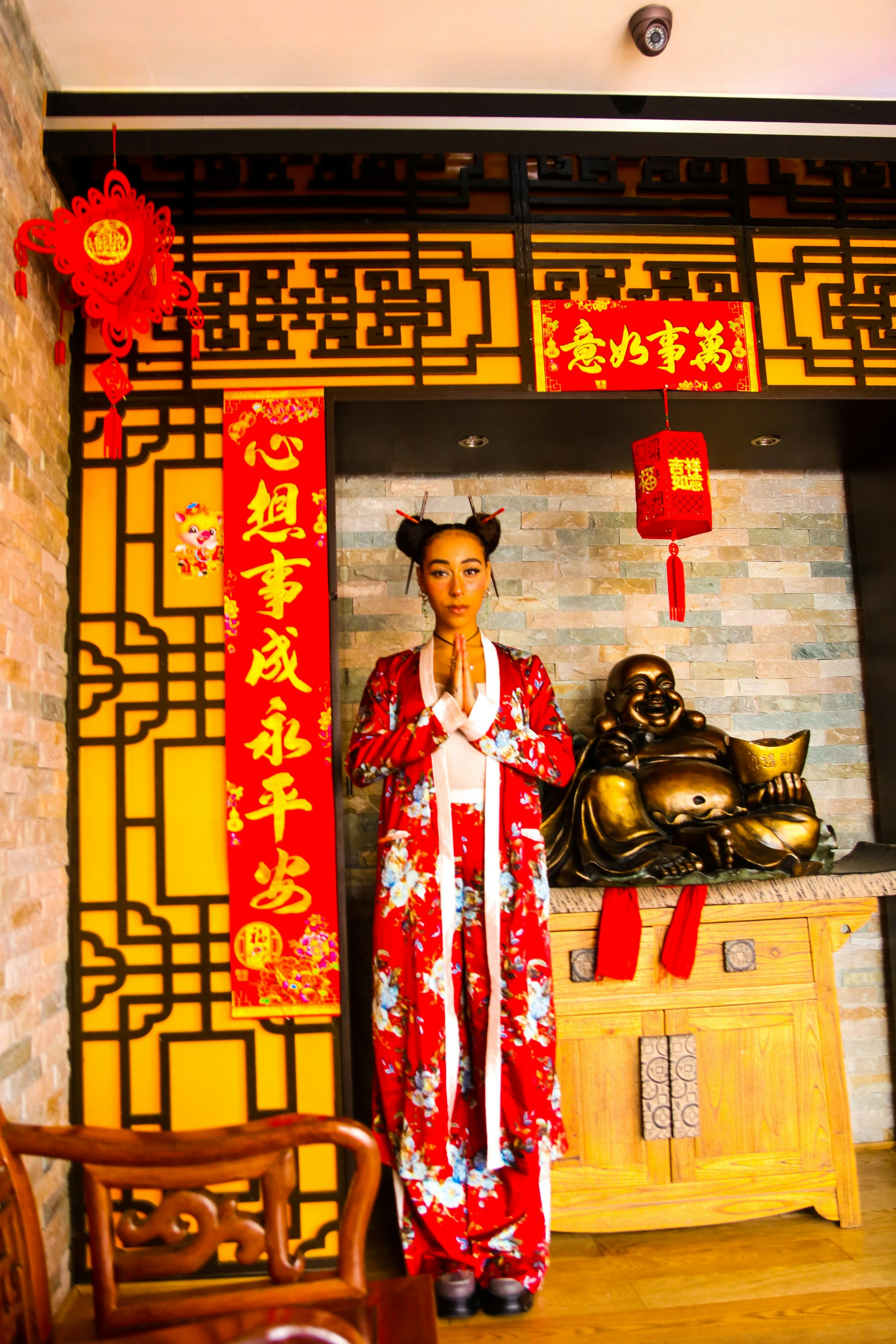
In various cultures, the celebrations may incorporate rituals steeped in history and belief systems. For instance, in many Western countries, the transition to the New Year is typically marked by fireworks, parties, and the iconic countdown to midnight, culminating in jubilant cheers and resolutions made for self-improvement. Conversely, in cultures influenced by lunar calendars, such as the Chinese New Year, festivities can last several days and include dragon dances, family reunions, and the giving of red envelopes, signifying luck.
The significance of New Year’s traditions transcends mere celebration; they embody the essence of cultural identity and collective memory. They reflect the values, aspirations, and challenges faced by communities, and serve as a bridge connecting generations. The rituals practiced in various parts of the world, whether through food, music, or communal gatherings, highlight the diverse ways humanity seeks renewal and hope.
As we delve deeper into the world’s most unique New Year’s traditions, it becomes clear that while the calendar year may be a uniform concept, the methods by which people choose to honor its start are as varied as the cultures that celebrate them. Each tradition offers a window into the heart of its respective culture, celebrating diversity and the universal wish for a better future.
Celebratory Foods and Special Dishes
During New Year’s celebrations around the globe, food plays a central role, symbolizing good fortune, health, and prosperity for the year ahead. In Italy, for example, it’s a common tradition to serve lentils at the New Year’s feast. These small legumes are not only a culinary staple; they represent wealth and prosperity due to their coin-like shape. Italians believe that consuming lentils at midnight heralds abundance in the coming year.
Moving east to Japan, the traditional dish of soba noodles is served on New Year’s Eve. The long, thin noodles epitomize longevity, and consuming them signifies the desire for a long life. For many Japanese families, the ritual of enjoying soba noodles together is a cherished moment that emphasizes unity and shared aspirations for the future.
In the southern United States, black-eyed peas are a must-have on New Year’s Day. These humble legumes are often cooked in a dish called Hoppin’ John, which includes rice and spices. The consumption of black-eyed peas is thought to bring good luck and prosperity, with the peas symbolizing coins and wealth. Each region has its own version of this dish, making it a delightful way to connect with local culture while embracing the festive spirit.
In Greece, Vasilopita, a sweet bread infused with aromatic spices, becomes the centerpiece of New Year’s celebrations. A coin is hidden within the folds of the bread, and whoever finds it is considered to be blessed with good fortune for the year. This tradition not only adds a delightful culinary experience but also serves to bring families together in a joyous mood.
Festive Activities and Customs
The celebration of the New Year is rich with diverse customs and activities, each reflecting the unique cultural heritage of the regions where they are practiced. One of the most famous traditions occurs in Spain, where people eat twelve grapes at the stroke of midnight, one for each chime of the clock. This custom, known as “Las Doce Uvas de la Suerte,” is believed to bring good luck for the coming year. The origin of this tradition dates back to the early 20th century when vineyard owners sought to sell surplus grapes, thus transforming a simple act of eating into a culturally significant custom.
In Scotland, the New Year is celebrated with a vigorous tradition called “first-footing.” This practice involves the first person to enter a home after midnight being seen as a harbinger of good fortune for the upcoming year. The ideal first-footer is typically a tall, dark-haired man who carries gifts such as coal, whisky, or shortbread, symbolizing prosperity and warmth. The roots of this custom likely trace back to Viking times, representing the importance of hospitality and community during winter.
Meanwhile, in Denmark, revelers partake in a more playful custom involving jumping off chairs at midnight, symbolizing the leap into the new year. This whimsical activity reflects the Danish spirit of joy and celebration. It is not only a means of welcoming the new year but also a moment for friends and family to come together, enhance their bonds, and instill a sense of hope for what lies ahead. These activities, while differing in practice and outcome, collectively showcase the universal desire to celebrate new beginnings and foster positivity as the calendar turns. Each custom, filled with history and cultural significance, offers a glimpse into how various cultures embrace this global occasion.
New Year’s Celebrations and Cultural Symbolism
New Year’s celebrations around the world encapsulate a rich tapestry of cultural symbolism, reflecting community values, hopes for prosperity, and aspirations for renewal. These traditions often embody age-old beliefs and rituals, each celebrating the transition from the past to a new beginning. In various cultures, the arrival of a new year is met with specific customs designed to usher in good fortune and happiness. For instance, in many Asian cultures, the practice of cleaning the home symbolizes clearing out the old to make way for new opportunities. Similarly, sharing food, lighting fireworks, or engaging in vibrant public festivities signifies community bonding and shared joy.
As globalization continues to shape our modern society, the influence of diverse cultures has significantly transformed traditional New Year celebrations. It is increasingly common to see local customs infused with global influences, leading to a blend of practices where traditional ceremonies coexist with contemporary festivities. The adoption of customs such as countdowns and fireworks displays has often been seen in places where they were once absent. Consequently, this integration raises questions regarding cultural identity and heritage, as communities negotiate the balance between preserving their unique traditions and embracing new influences.
These dynamics find resonance in the exploration of what makes these celebrations significant. By participating in these rituals, communities not only express their hopes for prosperity but also reinforce social ties among members. As people around the globe prepare to welcome their New Year, the manner in which they celebrate offers a profound insight into their collective identity and aspirations. The richness of New Year’s traditions serves as a testament to the diversity of human culture, encouraging individuals to reflect upon their own practices and the meanings behind them.