
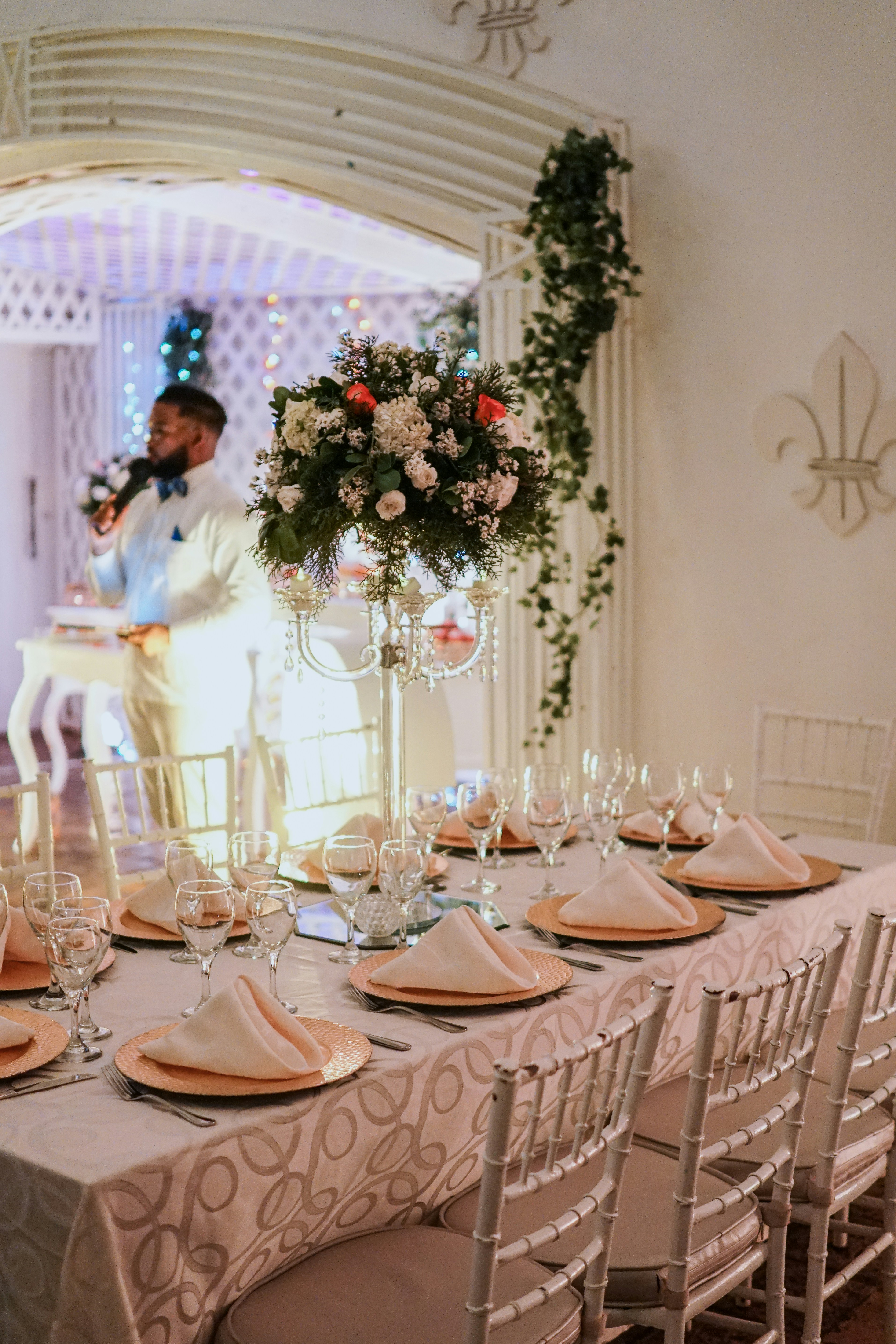
Understanding Cultural Differences in Dining Etiquette
Dining etiquette is an essential component of cultural identity, often reflecting deeper values and social norms within various societies. Awareness of these differences is crucial for fostering mutual respect and understanding during mealtimes, which can significantly vary from one region to another.
In many Asian countries, for instance, sharing food is not only common but celebrated as a symbol of community and unity. In cultures such as Chinese and Indian, dishes are often placed in the center of the table, allowing diners to serve themselves and share with one another. This communal aspect contrasts sharply with Western customs, where individual portions are typically served, emphasizing personal space and individual choice.
The role of utensils versus hands also highlights significant cultural distinctions. In countries like Japan, chopsticks are not merely tools for eating but are imbued with cultural significance. Using them correctly is a mark of respect and understanding of the culture. Conversely, in parts of the Middle East, eating with the hands is a prevalent practice, reflecting a connection to the food that transcends the use of utensils. In these regions, the right hand is used for eating, as the left hand is traditionally viewed as unclean.
Moreover, expectations around meal preparation and presentation can dramatically differ globally. For instance, in France, culinary presentation is considered an art form, with great attention to detail and aesthetics. On the contrary, many cultures prioritize the practicality of meals over presentation, focusing on taste and nutrition rather than visual appeal.
These customs not only influence individual interactions during meals but also set the tone for restaurant experiences and social gatherings. Understanding and respecting local dining etiquette can help travelers navigate social landscapes more effectively, promote cultural appreciation, and enhance their dining experiences.
Essential Dining Do’s and Don’ts from Around the World
Traveling abroad can be an enriching experience, and understanding the dining customs can significantly enhance your stay. Different cultures have their own dining etiquette, and being aware of these practices can help prevent any social faux pas while dining. Here is a compilation of essential dining do’s and don’ts from several countries.
In Japan, it is important to do some key things at the dining table. First, be sure to bow slightly when greeting your host. It is customary to say “itadakimasu” (I humbly receive) before starting your meal, which reflects gratitude. However, do not stick your chopsticks upright in your rice, as this resembles a funeral rite. Instead, place them on the designated holder when not in use.
Moving to France, one must maintain a sophisticated demeanor during meals. A light conversation is encouraged, and using a soft speaking volume is vital. Always remember to keep your hands on the table but not your elbows. When finishing your meal, it is polite to say “merci” to the host or server, expressing appreciation for the food and hospitality.
In India, dining practices may vary by region. However, generally, it is customary to eat with your right hand only, as the left hand is considered unclean. A significant point to remember is to wait for the host to start the meal before you begin eating. Additionally, expressing gratitude to the host at the end of the meal with a sincere “thank you” is appreciated.
Lastly, in etiquette-heavy cultures such as those in the Middle East, do not rush through your meal. Instead, take your time to enjoy the food and engage in conversation. You should avoid discussing politics or controversial topics during meals. When you finish eating, it is polite to leave a small portion on your plate to show that you have had enough.
By adhering to these essential dining customs from around the world, travelers can ensure a respectful and enjoyable dining experience. Being aware of such etiquette allows one to mitigate misunderstandings and show respect for local traditions, enhancing the overall travel experience.
Tips for Dining in Different Cultures: How to Adapt and Respect Local Etiquette
When navigating the dining customs around the world, understanding and adapting to local etiquette is crucial for a respectful and enjoyable experience. One effective approach is to conduct thorough research prior to your travels. Familiarizing yourself with the dining norms and traditions of your destination can help eliminate potential faux pas. For instance, customs regarding table manners, seating arrangements, and meal etiquette can vary significantly from one culture to another.
In addition to pre-trip research, engaging with locals upon arrival can provide valuable insights. Asking residents for guidance about their dining customs will not only enhance your understanding but also show your respect for their culture. Local advice can cover topics such as appropriate eating utensils, expected etiquette during meals, and the significance of certain dishes.
Observing the behavior of others at the dining table can also serve as an effective strategy. This practice allows you to learn by example—whether it is how to hold chopsticks correctly in East Asia or the manner in which bread is shared in Mediterranean cultures. By attentively watching and adapting to the actions of those around you, you demonstrate adaptability and reverence for the practices of your hosts.
It is important to note that while embracing local customs is essential, there may be certain practices that conflict with personal values. In such cases, it is helpful to do so politely. For instance, if asked to participate in a ritual that feels uncomfortable, a gracious yet firm decline should be communicated without judgment. Maintaining an open and respectful attitude towards cultural differences fosters a more inclusive dining experience, allowing for deeper connections and mutual respect.
Dining as a Social and Cultural Experience
Dining customs extend far beyond mere sustenance, representing a profound cultural identity and social cohesion within societies across the globe. Meals function not only as a way to nourish the body but also serve as vital opportunities for connection, celebration, and cultural expression. Throughout history, the act of dining has been intertwined with community bonding, where families and friends gather to share experiences and build relationships over food. This scenario exemplifies how meals carry significant meanings and contribute to a society’s cultural fabric.
In many cultures, dining rituals reflect the values and beliefs of a community. For example, communal meals are often emphasized in cultures that prioritize collective harmony, while individualistic societies may focus on personal dining preferences. The preparation of specific dishes often tells a story about regional ingredients, historical events, or familial traditions passed through generations. In this way, meals become a medium through which cultural stories and legacies are preserved.
The importance of etiquette during dining cannot be overstated, as it underscores respect and communal harmony. Various cultures have developed their own distinctive table manners, which not only enhance the dining experience but also signify social status and cultural heritage. For instance, in some Asian cultures, it is customary to serve food to others before serving oneself, indicating generosity and selflessness. Conversely, in Western cultures, hosts often take pride in presenting the meal to their guests, highlighting hospitality and care. These customs, while varied, play a crucial role in fostering an understanding of respect and shared values within societies.
Understanding dining customs offers valuable insights into the social dynamics of different cultures. Engaging in a meal is often an invitation to participate in a deeper social experience that transcends the mere act of eating. By appreciating these customs, one can grasp the rich tapestry of cultural identities and the vital importance of food as a means of expression and connection across the globe.
