
Introduction
Traveling internationally is an enriching experience that allows individuals to explore new cultures, enjoy diverse cuisines, and broaden their perspectives. However, along with these incredible opportunities come various risks that international travelers must consider. Prioritizing travel safety is essential to ensure that the journey remains enjoyable and free from preventable mishaps.
Some common risks encountered during international trips include the potential for lost documents, such as passports or tickets, which can lead to significant disruptions. Additionally, travelers often face minor injuries, whether from slips and falls or mishaps while engaging in activities, especially in unfamiliar locations. Health issues, including foodborne illnesses or lack of access to necessary medications, can also hamper the travel experience.
Moreover, the threat of scams is omnipresent in many tourist hotspots, where travelers may be targeted for their lack of local knowledge. This can range from being overcharged for services to encountering outright fraudulent schemes. Lastly, navigating unfamiliar environments, including language barriers and cultural differences, can pose challenges that increase the risk of accidents or misunderstandings.
To mitigate these risks, it is crucial for international travelers to prepare thoroughly before embarking on their journey. This includes researching destinations, understanding local customs, and being aware of potential dangers in the areas to be visited. Implementing safety measures, such as securing travel insurance and keeping copies of important documents, can significantly enhance one’s travel experience. By prioritizing travel safety, individuals can embrace their adventures with confidence and peace of mind.
Research Your Destination Before You Travel
Prior to embarking on your international trip, it is imperative to conduct thorough research on your destination. Understanding the local laws and cultural norms is essential, as each country has its unique set of regulations and customs that visitors are expected to respect. Familiarize yourself with not only the legal restrictions, but also social etiquette, as this can vary widely from place to place, influencing how interactions are perceived and conducted.
Health advisories should also be a crucial part of your preparatory phase. Various regions may have specific health risks, including diseases that are prevalent in certain areas. For instance, it is advisable to check for vaccination requirements or other health recommendations from sources such as the Centers for Disease Control and Prevention (CDC) or the World Health Organization (WHO). Additionally, consider packing a travel health kit tailored to your destination’s demands.
Weather conditions can significantly affect your travel experience; thus, review the climatic patterns of your destination during your travel window. Knowing whether you will encounter rain, extreme heat, or even potential natural disasters allows you to pack appropriately and plan your itinerary accordingly.
Lastly, understanding the safety dynamics of different areas within your travel destination is vital. Research neighborhoods to identify those that are considered safe for tourists as opposed to high-risk areas that you should avoid. Utilize resources such as travel forums or reputable travel websites to gather insights from recent travelers’ experiences.
Arming yourself with this comprehensive knowledge will not only enhance your awareness but also empower you to make informed decisions, resulting in a safer and more enjoyable trip.
Protecting Essential Travel Documents
When planning international travel, securing essential travel documents such as passports, visas, and travel insurance is a paramount concern. These documents are crucial for your journey, and losing them can lead not only to stress but also to significant travel disruptions. Therefore, taking proactive steps to safeguard these items is essential.
One effective method for securing your important travel documents is to create digital copies. Utilizing a scanner or a smartphone, you can digitize your passport, visa, and travel insurance documents, allowing you to have backup copies accessible from anywhere. Storing these digital files in cloud storage services such as Google Drive or Dropbox ensures that you can access them should an emergency arise. This approach also provides a layer of security, as cloud services often include encryption and password protection, keeping your sensitive information secure.
In addition to maintaining digital backups, utilizing hotel safes for storing your physical documents is recommended. When checking into accommodations, look for hotels that offer in-room safes for guests. Always lock your travel documents within the safe when you venture out, especially if you are in crowded areas or participating in activities where theft is a concern. This practice can drastically reduce the risk of losing your passport or other critical documents.
Moreover, it’s advisable to carry a photocopy of your passport and visa with you at all times, kept separate from the originals. Should you misplace your passport or have it stolen, having a photocopy can expedite the process of obtaining a replacement from your country’s embassy or consulate.
By implementing these strategies, you can significantly reduce the risk of losing important travel documents, thereby ensuring a more enjoyable and stress-free travel experience.
Health and Emergency Preparation
When embarking on international travel, health and emergency preparation becomes an essential aspect of safeguarding your well-being. One of the most significant steps in this process is the inclusion of a portable emergency kit in your luggage. Injuries can occur unexpectedly, and access to first aid supplies can offer critical assistance until professional medical help is available. For this purpose, the Band Aid travel-ready portable emergency first aid kit serves as an invaluable resource.
This compact kit is specifically designed to address minor injuries like cuts, scrapes, and blisters, which can happen during various travel activities. Having quick access to essential first aid items not only enhances personal safety but also provides peace of mind as you navigate your adventure. The Band Aid emergency kit is designed for convenience, making it easy to carry and store in any travel bag.
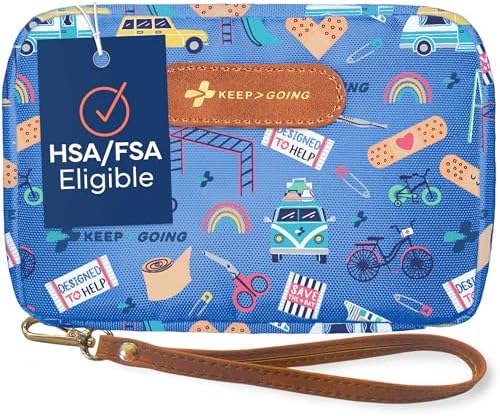
- Travel in Style – Most first aid kits look so clinical—upgrade your small first aid kit for travel to a fashionable one….
- All You Need – Good things come in small packages! Your compact first aid kit has 130 pieces of essential first aid supp…
- For Your Family – The average med kit is designed just for adults, but your KEEP>GOING kit works perfectly as a baby fir…
In addition to the physical benefits of carrying a first aid kit, it also encourages a proactive approach to travel safety. When travelers are prepared for health-related scenarios, they feel more confident venturing into unfamiliar environments. This kit typically includes adhesive bandages, antiseptic wipes, gauze, and ointments, which can effectively manage minor injuries, reducing discomfort during your trip.
Furthermore, it is advisable for travelers to familiarize themselves with the contents of their first aid kit and to practice basic first aid skills. Knowing how to properly use the items in your portable emergency kit can make a considerable difference in emergency situations. Hence, integrating a first aid kit into your travel preparations not only prioritizes your health but ensures you are equipped to handle unexpected injuries while abroad.
Protect Your Money and Valuables
Traveling internationally can be an exhilarating experience, but it also comes with certain risks, particularly concerning the security of your money and valuables. To safeguard your financial assets, several effective strategies can be employed.
First and foremost, travelers should consider the use of travel cards or prepaid debit cards. These options allow individuals to load a predetermined amount of money onto the card, minimizing the risk of carrying large sums of cash. Furthermore, if a travel card is lost or stolen, the remaining balance can be protected, and the card can often be replaced quickly by the card issuer.
In conjunction with travel cards, it is advisable to limit the amount of cash you carry while exploring. By withdrawing only what is needed for day-to-day expenses, you can reduce the potential loss in case of theft. Additionally, utilizing mobile payment options available in many destinations can further lessen the reliance on cash, providing a safer alternative for managing expenditures while traveling.
Investing in anti-theft bags or accessories can also enhance your security. These specially designed bags often feature locks, RFID-blocking technology, and other protective elements aimed at deterring pickpockets. When selecting bags or wallets, choose options that can be discreetly worn under clothing or secured with zippers and clasps.
Moreover, it is essential to keep your valuables organized. Designate a specific pocket or compartment for your passport, money, and cards, and avoid displaying them openly. Setting up alerts for your bank accounts can add an extra layer of security, notifying you of any unauthorized transactions.
By implementing these strategies, travelers can significantly reduce the risk of losing money and valuables during their journeys, fostering a sense of security as they navigate new environments.
Stay Safe While Exploring
Traveling internationally provides opportunities to experience new cultures, cuisines, and environments. However, it is essential to prioritize personal safety while exploring unfamiliar territories. One of the fundamental safety tips is to avoid poorly lit areas, especially during nighttime. Such environments can increase the risk of theft or other dangers, so sticking to well-lit, populated streets is advisable.
Moreover, using trusted transportation options is vital for maintaining safety. This includes relying on known taxi services, ride-sharing applications with robust safety features, or public transportation that is frequently used by locals. It is prudent to research and select reputable transportation methods ahead of time, ensuring you have access to their contact information during your trip.
Awareness of one’s surroundings is another vital component of staying safe. Travellers should remain vigilant, observing the behaviors of those nearby, and avoiding distractions such as excessive mobile phone usage while on the streets. Keeping personal belongings secured and close is essential, as pickpocketing can be prevalent in tourist-heavy areas. A small, inconspicuous bag can be beneficial for storing valuables securely.
Additionally, maintaining a contact list of emergency numbers can significantly enhance safety. Travellers should compile local emergency contacts, such as law enforcement, fire services, and their country’s embassy or consulate, and store them on their mobile devices or in a different format accessible when needed. This step ensures quick access to assistance should unforeseen events arise.
In summary, prioritizing safety when exploring new destinations is paramount. By avoiding poorly lit areas, utilizing trusted transportation, remaining aware of surroundings, and keeping an emergency contact list, travellers can enhance their security and enjoy a more fulfilling experience while embracing the adventures that international travel offers.
Use Technology for Safety
In our increasingly globalized world, the utilization of technology during international travel has proven to be an invaluable asset in enhancing personal safety and ensuring a smoother journey. With a plethora of travel tools and applications available, travelers can leverage these resources to mitigate risks and respond effectively to unforeseen situations.
GPS navigation apps stand as a primary tool for ensuring safety while traveling abroad. Applications such as Google Maps and Waze provide not only accurate directional guidance but also real-time updates on traffic conditions and alternate routes. By using these tools, travelers can easily avoid potentially hazardous areas, navigate unfamiliar cities with confidence, and locate essential services like hospitals or police stations should the need arise.
Language barriers can often pose a significant challenge when traveling to countries with unfamiliar tongues. Translation apps such as Google Translate enable international travelers to communicate more effectively and ensure better understanding with locals. These apps often come equipped with features that allow users to translate text in real-time using their smartphone camera, facilitating smoother interactions in restaurants, shops, and emergency situations.
Moreover, many modern smartphones now include emergency contact features, which can be a lifeline during critical moments. By storing important contact details and medical information directly in the device, travelers can access assistance swiftly. This practice not only offers peace of mind but also simplifies the process for local authorities or healthcare professionals in case of emergencies.
In essence, harnessing technology can significantly bolster one’s safety while traveling internationally. By integrating GPS navigation, translation tools, and emergency contact features, travelers can foster a secure environment for themselves, allowing them to focus on the exhilarating experiences that international travel has to offer.
Emergency Planning
Traveling internationally can be an exhilarating experience, but it’s essential to prepare for unexpected situations that may arise during your journey. One of the first steps in establishing a robust emergency plan is to familiarize yourself with the local emergency numbers of the country you are visiting. For instance, many countries have different emergency numbers for police, fire, and medical services, so it’s prudent to have this information readily accessible.
Another critical aspect of emergency planning is knowing the location of your country’s embassy or consulate in the area. Should you find yourself in legal trouble, lose your passport, or encounter other significant issues, the embassy can provide valuable assistance. Before traveling, take the time to locate the nearest embassy or consulate and save their contact information in your phone or travel documents.
In addition to local emergency contacts, ensuring you have access to travel insurance support is vital. Travel insurance can cover medical emergencies, trip cancellations, and lost belongings, which can significantly alleviate stress during unforeseen events. Prior to your departure, review your policy details to understand how to contact your insurance provider in case of an emergency. Additionally, keep copies of your insurance documents, along with your passport, in a safe yet accessible place.
A well-structured emergency plan can make all the difference when navigating unexpected situations while traveling. Take the time to conduct thorough research about your destination and prepare adequately to address potential challenges. By planning ahead, you can enjoy your trip with greater confidence and peace of mind, knowing you are equipped to handle emergencies effectively.
Conclusion
In order to ensure an enjoyable and safe experience while traveling internationally, there are several key safety habits every traveler should adopt. Thorough preparation is crucial before embarking on any international trip, as it directly influences one’s ability to handle unforeseen circumstances and maintain well-being. This entails conducting comprehensive research about the destination including local customs, health advisories, and necessary vaccinations. Such due diligence minimizes the risk of conflicts and enhances overall safety.
Moreover, carrying a portable emergency first aid kit, such as the Band Aid travel ready kit, can greatly assist in overcoming minor health setbacks during the journey. Having essential supplies readily available allows travelers to address injuries or ailments promptly, reducing stress and avoiding the need to search for medical assistance in unfamiliar areas. It is wise to ensure this kit is tailored to personal health needs including any allergies or ongoing conditions.
Additionally, establishing contact with local authorities and knowing where the nearest medical facilities are located can further provide peace of mind. Additionally, it is highly beneficial to maintain awareness of one’s surroundings at all times, thereby avoiding risky situations. Engaging in these practices augments personal safety and security while traveling abroad.
In conclusion, adopting these safety habits, preparing adequately before travel, and being equipped with a reliable first aid kit are invaluable aspects of ensuring a secure and enjoyable international adventure. By prioritizing safety, travelers can focus more on the enriching experiences that await them, while minimizing potential health risks and complications.
